
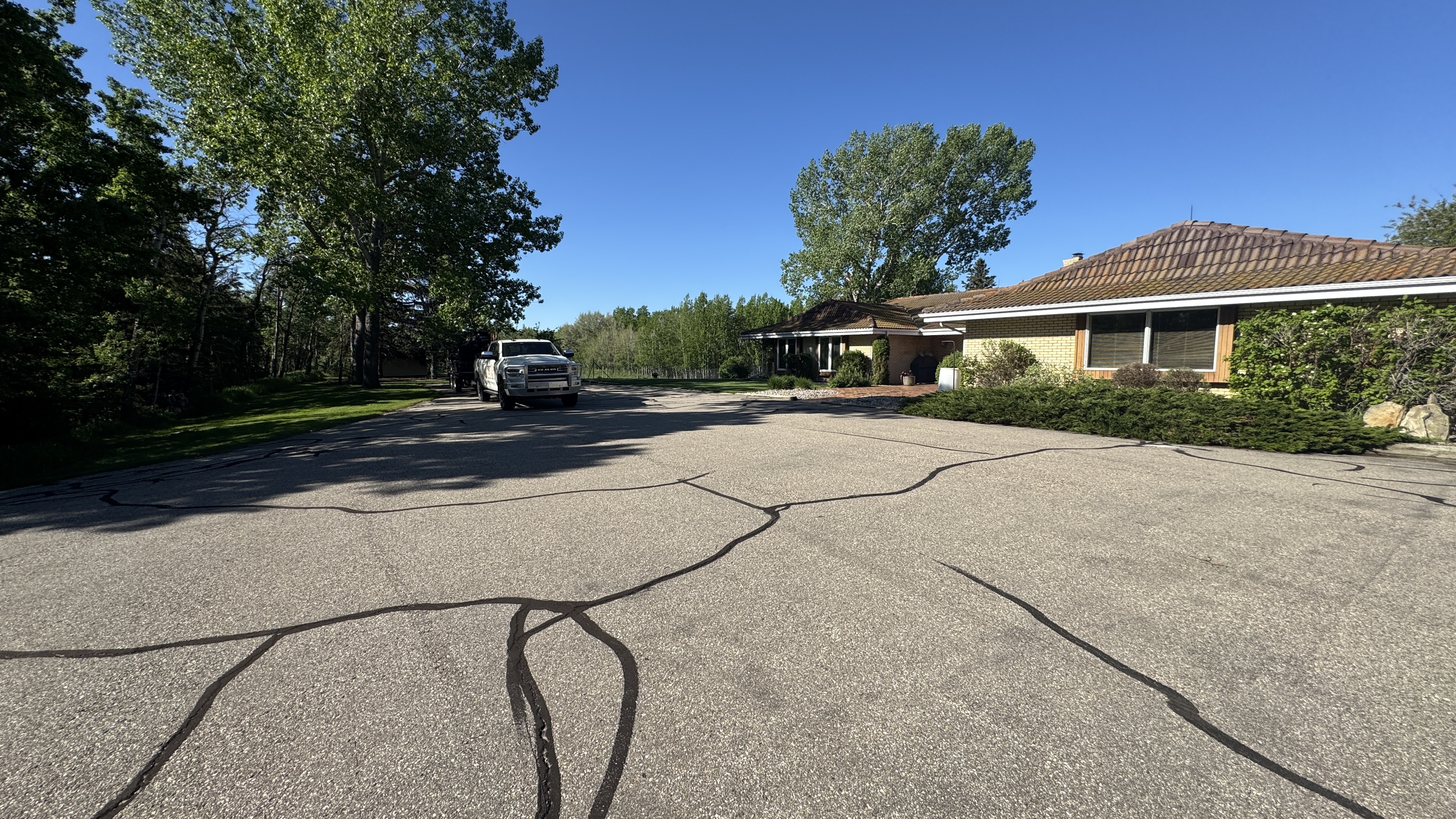
Crack Repair & Pavement Maintenance
A single untreated crack can turn into a $5,000 pothole in one Alberta winter. Water enters the crack, freezes, expands, and destroys your pavement from the inside out. Professional crack repair stops this cycle before it starts.
Why Cracks Are an Emergency in Alberta
Central Alberta experiences some of the most extreme freeze-thaw cycling in Canada. Between November and March, temperatures can swing 30°C or more in a single day. Every time water in a crack freezes, it expands by roughly 9%—enough force to split asphalt wide open.
What starts as a hairline crack in June becomes a network of spider-web cracking by October. By the following spring, you're looking at potholes, crumbling edges, and sub-base failure. The cost difference between filling a $2 crack today and replacing a $15,000 parking lot in three years is staggering.
Property owners in Red Deer, Lacombe, Ponoka, and across Central Alberta who address cracks early save thousands in long-term maintenance costs.
Our Crack Repair Process
We use hot-applied rubberized crack sealant—the same material used by Alberta Transportation on provincial highways. This isn't the cold-pour hardware store product that fails after one winter.
Our process starts with cleaning the crack using compressed air and wire brushing to remove debris, vegetation, and loose material. For wider cracks, we may route (widen) the crack to create a uniform reservoir that holds the sealant properly.
The hot rubberized sealant is heated to approximately 190°C and applied using professional applicator equipment. This material bonds to both sides of the crack and remains flexible through Alberta's extreme temperature range (-40°C to +35°C), expanding and contracting with the pavement instead of cracking again.
Types of Cracks We Repair
We handle all common crack types found on Alberta asphalt surfaces:
For severe alligator cracking or sub-base failure, we'll honestly tell you if crack repair alone won't solve the problem—and recommend the most cost-effective solution.
Preventative Pavement Maintenance Programs
For commercial properties, we offer scheduled maintenance programs that combine regular crack repair with sealcoating and surface assessments. This proactive approach costs a fraction of reactive repairs and keeps your pavement in top condition year after year.
Our maintenance programs are popular with property managers, strata councils, and business owners across Red Deer, Sylvan Lake, Innisfail, and the Central Alberta corridor.
Key Benefits
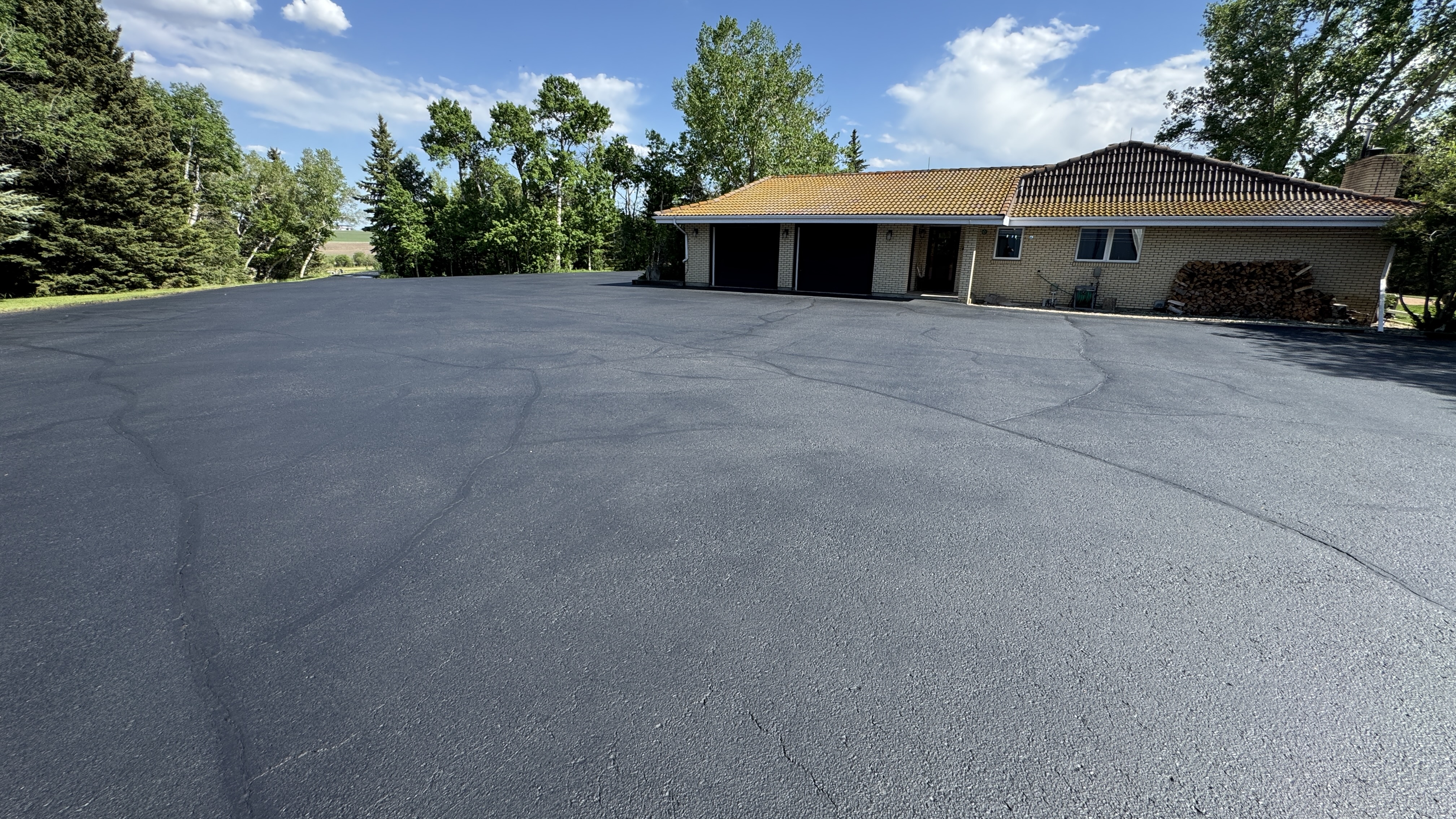
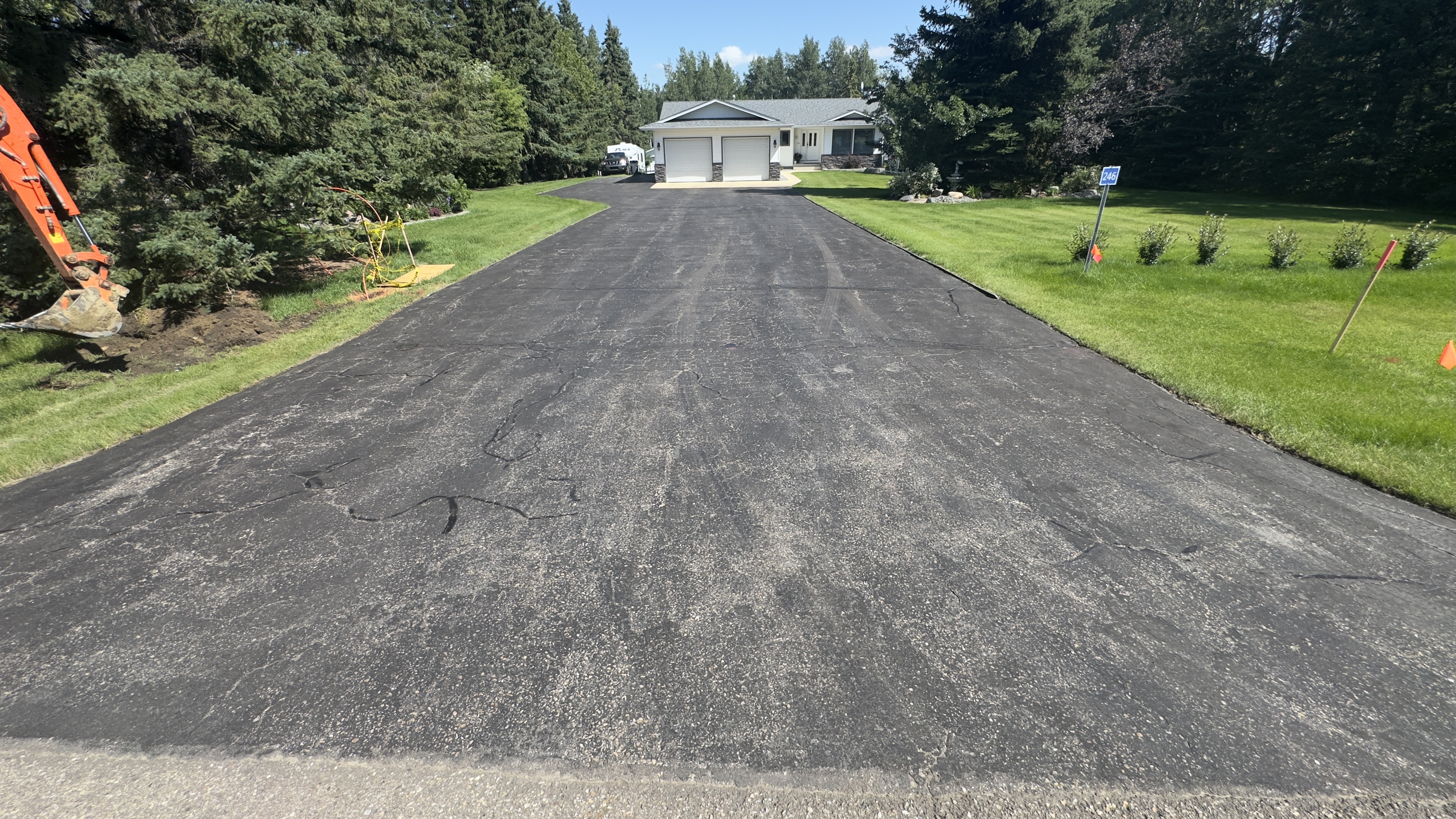
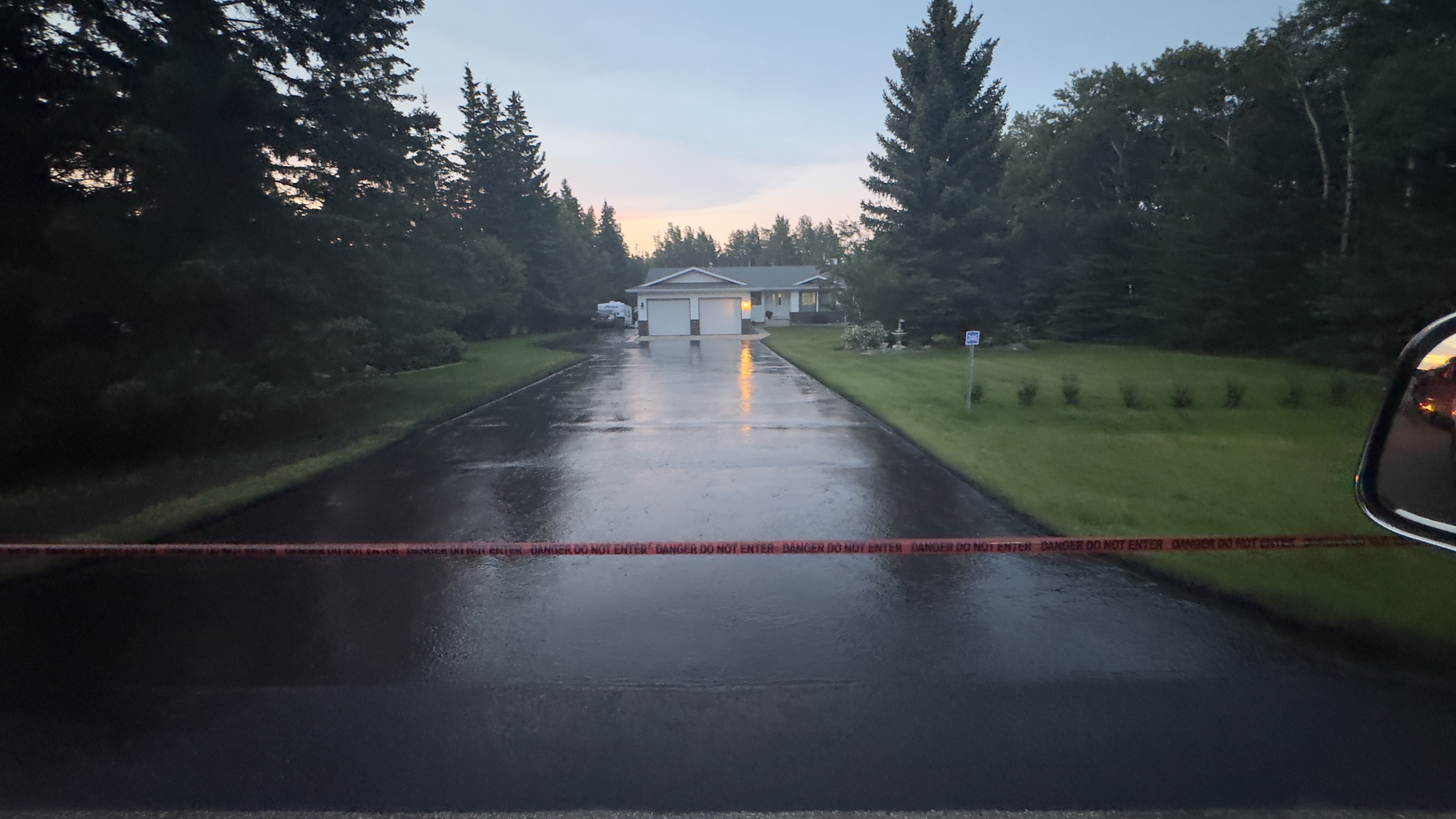
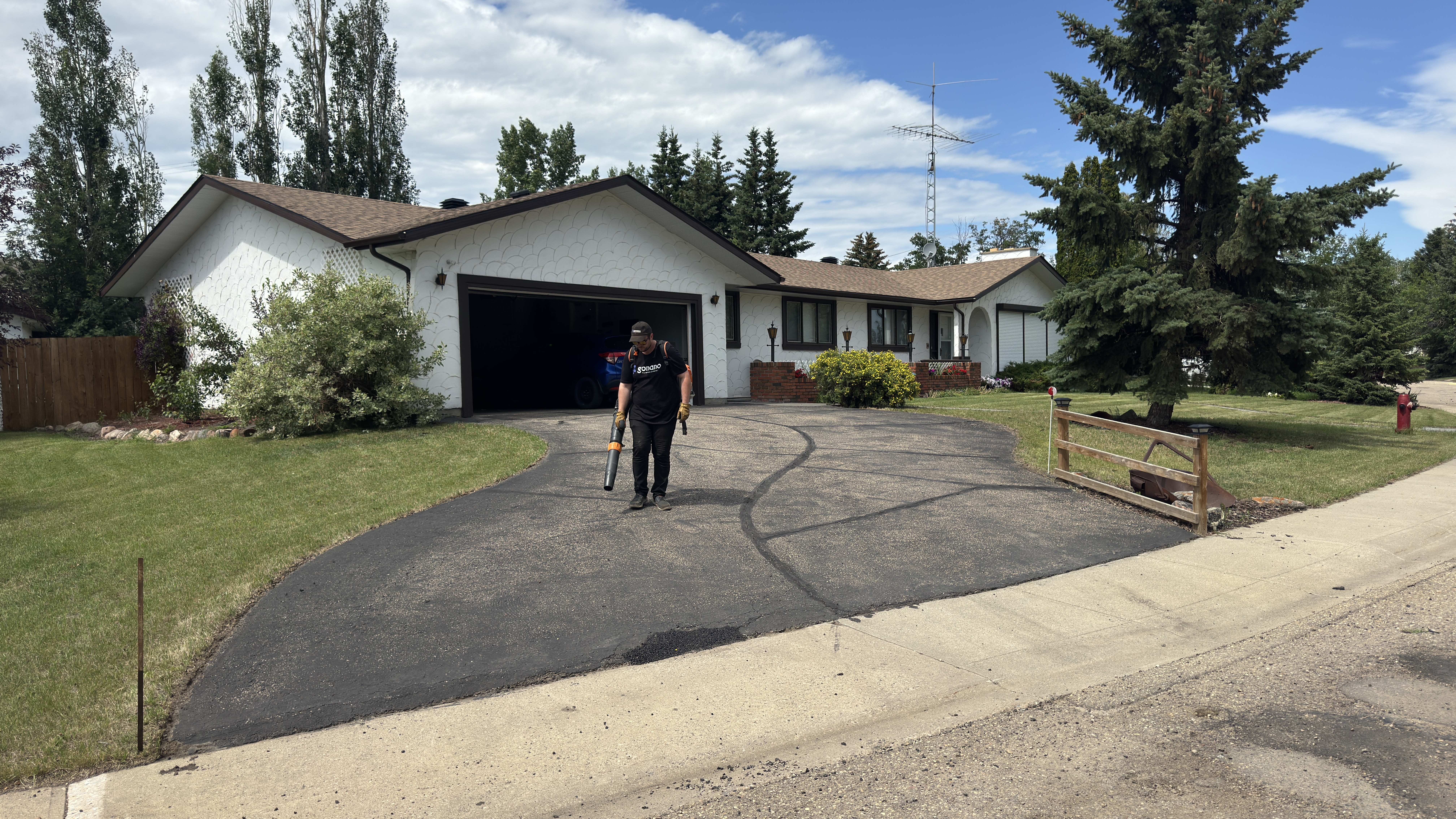
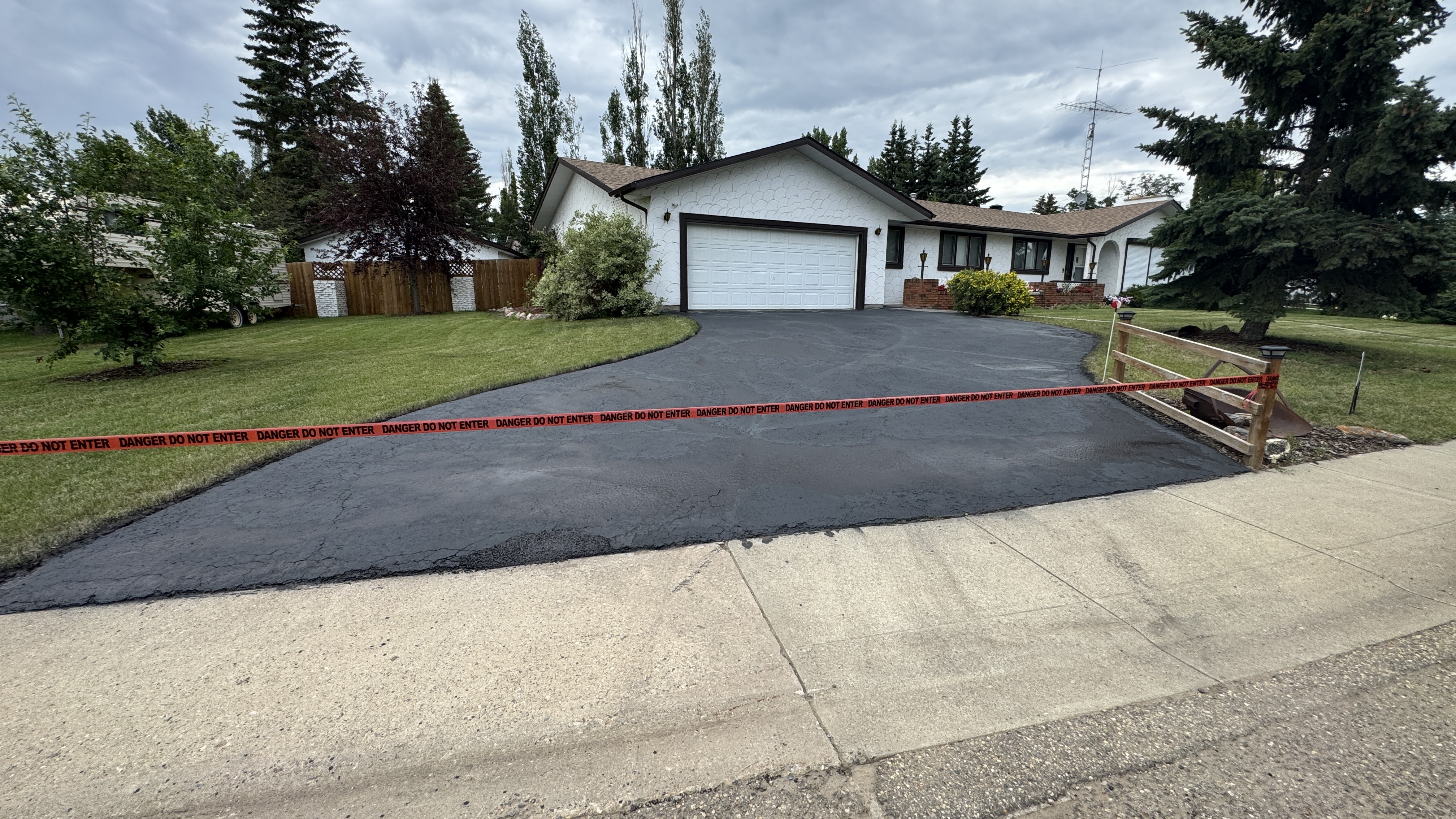
Our Work in Central Alberta
Frequently Asked Questions
When should I repair cracks in my asphalt?
What type of crack filler do you use?
Can you repair alligator cracking?
Should I repair cracks before sealcoating?
How long does crack repair last in Alberta?
Do you offer crack repair in Red Deer and Lacombe?
Ready to Protect Your Property?
Get a free, no-obligation quote. We respond to all inquiries within 24 hours.
Serving Blackfalds, Red Deer, Lacombe, Ponoka, Sylvan Lake, Innisfail, and communities across Central Alberta within 150 km.